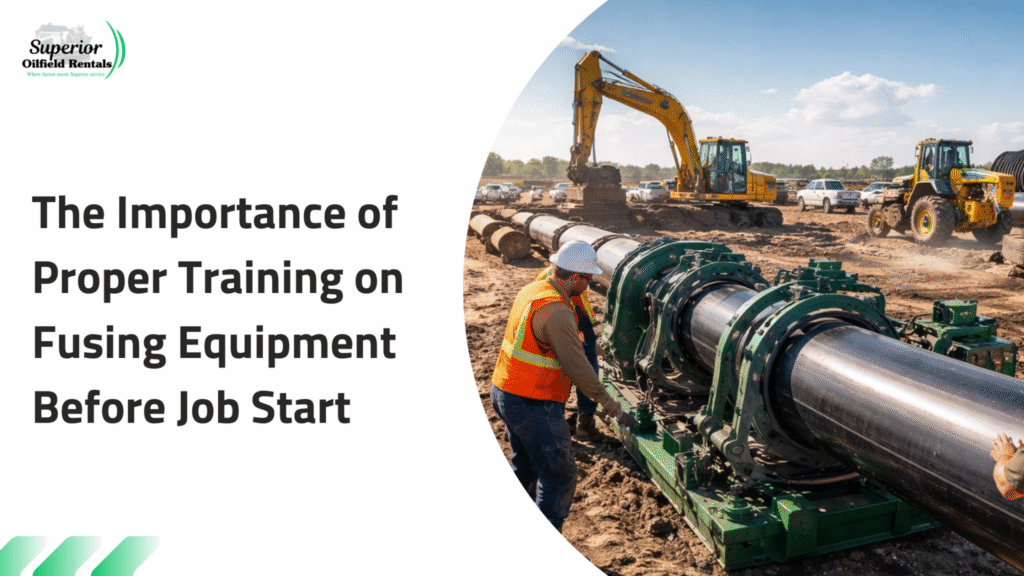
● Proper training on fusing equipment eliminates preventable operator errors that quietly cause downtime, rework, and schedule compression long before problems become visible on site.
● Crews that receive training before the job starts operate with confidence, consistency, and alignment, allowing projects to gain early momentum instead of losing time to corrections and troubleshooting.
● When equipment, environment, and operators are prepared together, fusion work becomes predictable, safer, and more efficient, protecting timelines, rentals, and overall project performance.
Most job delays don’t begin with broken equipment. They begin with small, avoidable mistakes made in the first few hours on site. A setting that wasn’t calibrated. A fusion cycle rushed. A machine used correctly in theory, but not correctly for the conditions at hand. By the time the issue is visible, production has slowed, material is wasted, and crews are standing by. Fusing equipment is precise by design. It performs exactly as it is operated. That makes training before the job starts not a formality, but a deciding factor in whether a project moves forward cleanly or fights friction from day one.
Here is why proper training on fusing equipment matters before a job ever goes live, and how it protects time, safety, and performance across the entire operation.
- Operator Error Is the Leading Cause of Fusion-Related Downtime
Fusion equipment failures are rarely mechanical. In most cases, the equipment is doing exactly what it was told to do. The issue is how it was told.
a) Small Setup Mistakes Create Compounding Delays
Improper facing, incorrect heating time, or pressure that is slightly off can all lead to compromised joints. These issues often pass initial visual checks, only to fail later under pressure testing or inspection.
When a joint fails, the problem is not isolated. Crews must stop. Materials are cut out. Fusion cycles are repeated. The downtime multiplies quickly, especially when mistakes are repeated across multiple connections.
Training before the job starts ensures operators understand not just the steps, but the consequences of each adjustment they make.
b) Equipment Familiarity Prevents Hesitation and Misuse
Even experienced operators can struggle when switching between machine models or job configurations. Controls vary. Feedback systems differ. The setup sequences change.
Without proper orientation, operators either hesitate or rely on assumptions from previous equipment. Both create inefficiency. Training removes uncertainty by aligning operators with the exact machine they will be using in the field.
This is where working with fusion equipment specialists becomes critical. They understand the nuances that generic instruction often misses.
c) Environmental Conditions Change Fusion Outcomes
Temperature, wind, pipe material, and site layout all influence fusion quality. A procedure that works perfectly in one environment may require adjustment in another.
Training before the job starts helps operators learn how to adapt machine settings and workflows to real conditions, not ideal ones. That adaptability prevents field improvisation that leads to inconsistent results.
This situational awareness allows crews to make controlled adjustments instead of reactive ones when conditions shift unexpectedly.
d) Inexperienced Operation Increases Safety Risk
Fusion equipment involves heat, pressure, and moving components. Improper operation increases the risk of injury, not just equipment failure.
Training reinforces safe positioning, proper handling, and awareness of pinch points and hot zones. A crew that understands the equipment operates more confidently and safely, reducing incidents that can shut down a site entirely.
Safety improves not through caution alone, but through familiarity that removes hesitation at critical moments.
e) Downtime Rarely Stays Contained
One delayed fusion point affects more than one crew. Downstream tasks stall. Inspections are rescheduled. Equipment sits idle while timelines compress elsewhere.
Operator error may appear small in isolation, but its impact spreads across the project. Proper training before the job begins stops those chains from forming in the first place.
Preventing downtime at the source protects the schedule far more effectively than trying to recover it after delays have already multiplied.
- Training Transforms Fusion Equipment from a Tool into a System
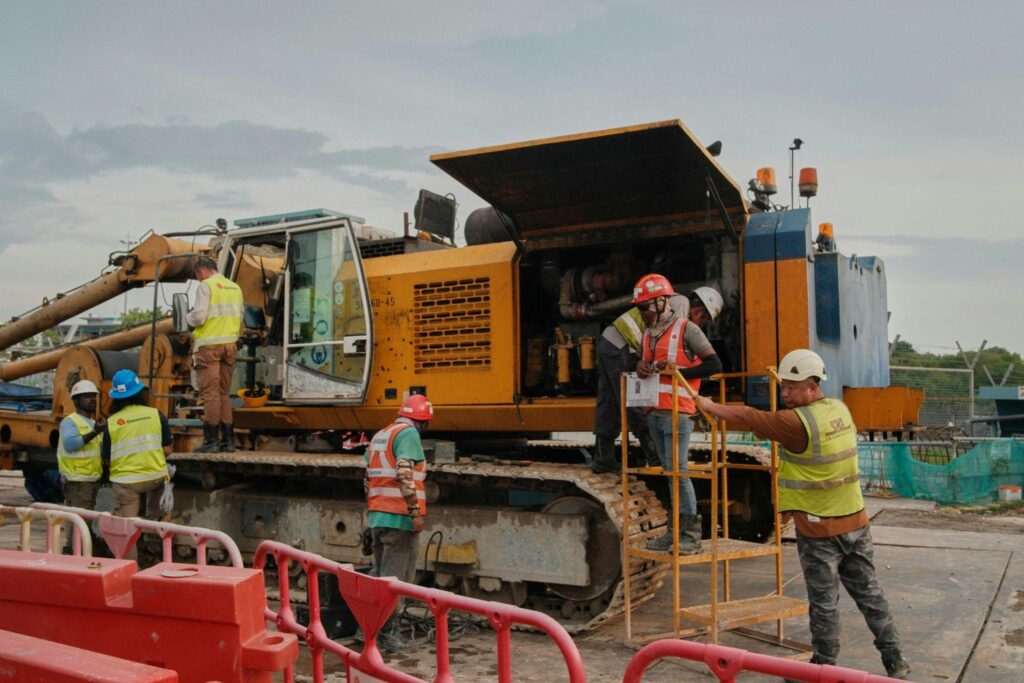
Fusion equipment is not a standalone asset. It is part of a larger system that includes operators, materials, schedules, and compliance requirements.
a) Understanding the “Why” Improves Execution
Operators who only know which button to press struggle when something changes. Operators who understand why a step matters can adapt intelligently.
Training that explains the mechanics behind fusion pressure, heating cycles, and cooling times empowers operators to make correct decisions when conditions are less than perfect.
That understanding reduces reliance on trial and error.
b) Consistency Depends on Shared Standards
When multiple operators are involved, inconsistency becomes a hidden risk. Each person may follow the process slightly differently, leading to variable results across the same job.
Training establishes a shared standard. Everyone sets up the same way. Everyone follows the same sequence. That consistency improves joint quality and simplifies inspection and documentation.
c) Training Reduces Material Waste
Improper fusion leads to scrapped pipe, wasted fittings, and repeated work. Material loss adds cost quickly, especially on large-scale projects.
Well-trained operators produce clean, reliable joints the first time. Less rework means less waste, lower cost, and fewer disruptions to material planning.
This is especially important when working with HDPE fusion machine rentals, where efficiency directly impacts the return on the equipment investment.
d) Inspection and Compliance Become Easier
Regulatory inspections often focus on fusion integrity and documentation. When operators are trained, records are accurate, procedures are followed, and inspection outcomes are predictable.
Training before the job starts reduces the risk of failed inspections that force corrective action after installation.
It also creates consistency across crews, which inspectors recognize quickly and respond to with fewer delays or questions.
e) Equipment Performs Better When Operated Correctly
Fusion machines are engineered to perform within specific parameters. Consistent, correct operation extends equipment life and reduces unexpected maintenance issues.
Training protects the machine as much as it protects the job.
Operators who understand limits, calibration, and setup avoid unnecessary strain that leads to breakdowns or rental interruptions.
- Training Before Job Start Creates Momentum Instead of Recovery
The difference between a smooth project and a reactive one is often decided before the first pipe is fused. Early clarity sets the tone for everything that follows. When crews begin aligned instead of uncertain, progress becomes the default rather than the exception.
a) Job Starts Cleanly Instead of Catching Up
Untrained crews spend the first part of the job figuring things out. Adjustments happen mid-process. Corrections are made after mistakes occur.
Trained crews start producing immediately. The job gains momentum early, which is easier to maintain than trying to recover lost time later.
A clean start also stabilizes the entire workflow around it, from material staging to inspection timing. Once early momentum is lost, it is rarely recovered without added cost or pressure.
b) Supervisors Spend Less Time Troubleshooting
When operators are confident and capable, supervisors can focus on coordination and progress rather than constant oversight.
Training reduces the need for micromanagement and allows leadership to manage the project, not the mistakes.
This shift frees supervisors to anticipate issues instead of reacting to them. Their role moves from correction to coordination, which strengthens overall site efficiency.
c) Communication Improves Across the Crew
Shared training creates shared language. Operators, supervisors, and inspectors are aligned on expectations and procedures.
That alignment reduces misunderstandings and speeds up decision-making on site.
Clear communication also minimizes assumptions, which are often the root of fusion errors. When everyone operates from the same baseline, decisions stay technical instead of subjective.
d) Equipment Rentals Deliver Full Value
When crews are trained, equipment rentals perform at their intended capacity. Machines are used efficiently, schedules are met, and rental periods are optimized.
Without training, even the best equipment underperforms.
Improper use shortens effective runtime and increases wear, even when no visible damage occurs. Training ensures rented equipment delivers value instead of becoming a liability on the clock.
e) Confidence Replaces Guesswork
Perhaps the most overlooked benefit of training is the confidence it instills; operators who trust their understanding of the equipment work decisively.
That confidence shows in pace, quality, and morale. Jobs move forward without hesitation, and problems are addressed early rather than after failure.
Confident crews don’t rush, and they don’t freeze. They execute with intention, which is often the difference between consistent fusion quality and unpredictable results.
Where Jobs Move Forward or Fall Behind
Fusion equipment does not forgive assumptions. It rewards preparation. Projects that prioritize training before the job begins experience fewer interruptions, cleaner installations, and stronger outcomes across the board. The time invested upfront returns itself through smoother execution, reduced downtime, and safer operations. In environments where schedules are tight and margins matter, training is not an added step. It is the foundation that holds everything else together.
Superior Oilfield Rentals partners with operations that value preparedness, uptime, and control on every job site. Get in touch to ensure your next job starts right and stays on schedule without avoidable downtime.